How to Work UnitedHealthcare Claims: Status, Reconsiderations, and Appeals
How to check UHC claim status, choose between corrected claims and reconsiderations, file appeals within 12 months, and fix common denials.
UnitedHealthcare (UHC) is one of the largest payers most practices deal with, and its claim follow-up process has specific steps and deadlines. Submitting a reconsideration when you should send a corrected claim, or missing the 12-month window, can turn a fixable denial into lost revenue. This guide walks through how to work UHC claims from submission to appeal.
Step 1: Know your timely filing limit
For UHC commercial plans, the standard timely filing limit for participating providers is generally 90 days from the date of service, unless your participation agreement or state law says otherwise. Medicare Advantage and Community Plan (Medicaid) products can have different limits.
Texas practices: For fully insured Texas plans, the state prompt pay law gives providers 95 days to file. It doesn't apply to self-funded (ASO) plans, so confirm the plan type.
Secondary claims: The clock usually runs from the primary payer's EOB date, so keep a copy of it.
Proof of timely filing: Save your clearinghouse acceptance report (999/277CA) for each claim. A claim that was rejected at the clearinghouse doesn't count as filed.
Step 2: Check claim status
Use the UnitedHealthcare Provider Portal (sign in through One Healthcare ID) to check claim status, view remittances, and see denial reasons. The portal also offers 24/7 chat. Before calling, have ready:
Member ID and date of birth
Date of service and billed amount
Your TIN and NPI
The UHC claim number, if one has been assigned
If the portal shows no claim on file, check your clearinghouse for rejections before resubmitting. Resubmitting a claim that's already in process often leads to a duplicate denial.
Step 3: Choose the right fix
Not every denial needs an appeal. Pick the right path:
Your claim had an error (wrong code, modifier, units, or missing information): send a corrected claim electronically with frequency code 7 (replacement) and the original claim number. Don't use a reconsideration to correct a claim.
The claim should be voided: submit frequency code 8 with the original claim number.
The claim was correct but UHC processed it wrong (underpaid, wrong fee schedule, incorrect bundling, eligibility error): file a claim reconsideration.
UHC asked for records: send them through the portal and reference the request letter.
Step 4: Claim reconsideration
UHC uses a 2-step process for post-service disputes, except where state law says otherwise. Step 1 is the reconsideration.
Most network providers must submit reconsiderations digitally, through the UHC Provider Portal or API, for commercial, Medicare Advantage, and Community Plan members. Include:
The claim number and a clear explanation of what was processed incorrectly
Supporting documents: contract rate, fee schedule, payment policy, medical records, or proof of timely filing
The amount you believe is owed
Use one reconsideration per issue. If several claims have the same problem (for example, a fee schedule loading error), ask your UHC provider advocate whether they can be handled as a project instead of one at a time.
Step 5: Post-service appeal
If you disagree with the reconsideration outcome, Step 2 is a formal appeal, also submitted digitally. Strengthen it with:
A cover letter addressing the specific reason the reconsideration was upheld
Relevant clinical notes, operative reports, or authorization numbers
Citations to UHC's own reimbursement or medical policy, CPT/NCCI guidance, or your contract
Timing: UHC gives you 12 months to complete both steps. Don't wait until month 11 to start the reconsideration, or you may not have time left for the appeal.
Prior authorization denials: peer-to-peer and pre-service appeals
For authorization denials on UHC-managed prior authorizations, the ordering provider can request a peer-to-peer review with a UHC medical director. UHC currently lists 3 business days for inpatient cases and 21 calendar days for outpatient cases from the posted denial. If a peer-to-peer isn't possible, file a pre-service appeal before the planned service.
Common UHC denials and quick fixes
CO-29 (timely filing): Reconsider with proof of timely filing (clearinghouse acceptance report or primary EOB).
CO-16 (missing information): Send a corrected claim with the missing data. Don't appeal.
CO-97 (bundled): Check NCCI and UHC payment policy. Correct the modifier if documentation supports it, or appeal with records.
CO-197 / CO-15 (no authorization): Check the portal for an existing auth. If it was obtained, reconsider with the auth number.
CO-22 (coordination of benefits): Have the patient update COB with UHC, then ask for reprocessing.
Follow-up tips for billing teams
Work UHC denials within 30 days of the remit so you have time to spare in the 12-month window.
Write a short status note on every touch, including the date, status, claim number, and your initials.
Save every portal reconsideration and appeal confirmation number.
Track root causes by denial code and fix them at the front end (eligibility, authorizations, coding).
Bottom line
With UHC, the most important thing is using the right path: a corrected claim for your own errors, a reconsideration for UHC's processing errors, and an appeal only after the reconsideration. Submit everything digitally, keep proof of filing, and track the 12-month window.
Payer policies change often. Always check the current UnitedHealthcare Administrative Guide and your participation agreement.
Written by Ashim
Ashim works in US medical billing and revenue cycle management, handling claim follow-up, denials and appeals every day.
Read our editorial policy. Spotted something outdated? Tell us.
Keep reading
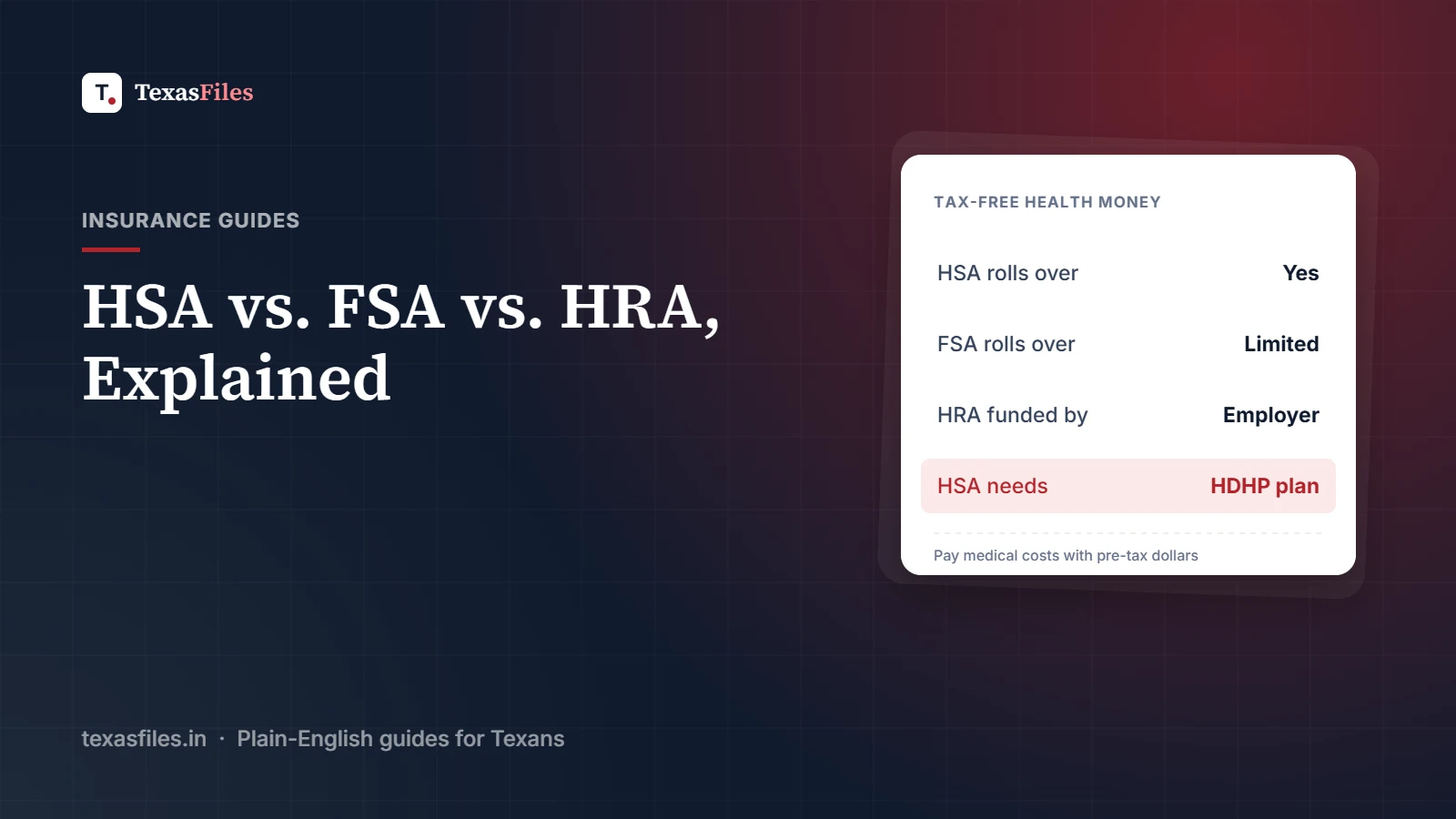
HRA vs. HSA vs. FSA: Health Accounts Explained
HRA vs. HSA vs. FSA explained: who owns each account, who contributes, rollover and job-change rules, HRA types like ICHRA, and which one is best for you.
·6 min read
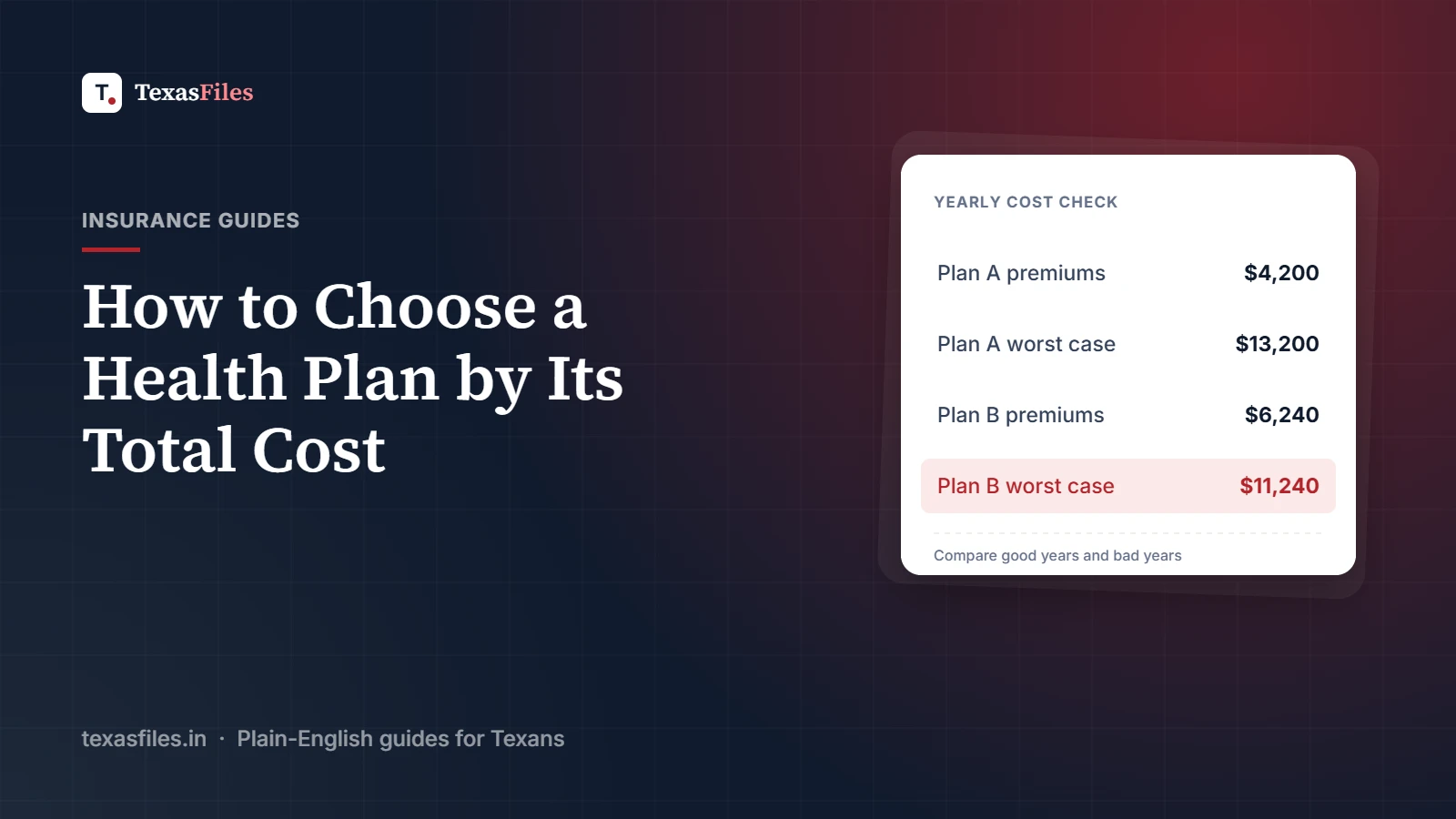
How to Choose a Health Insurance Plan: Compare the Total Cost, Not the Premium
The cheapest premium isn't always the cheapest plan. Learn how to compare health plans by total yearly cost, networks and drug coverage.
·3 min read
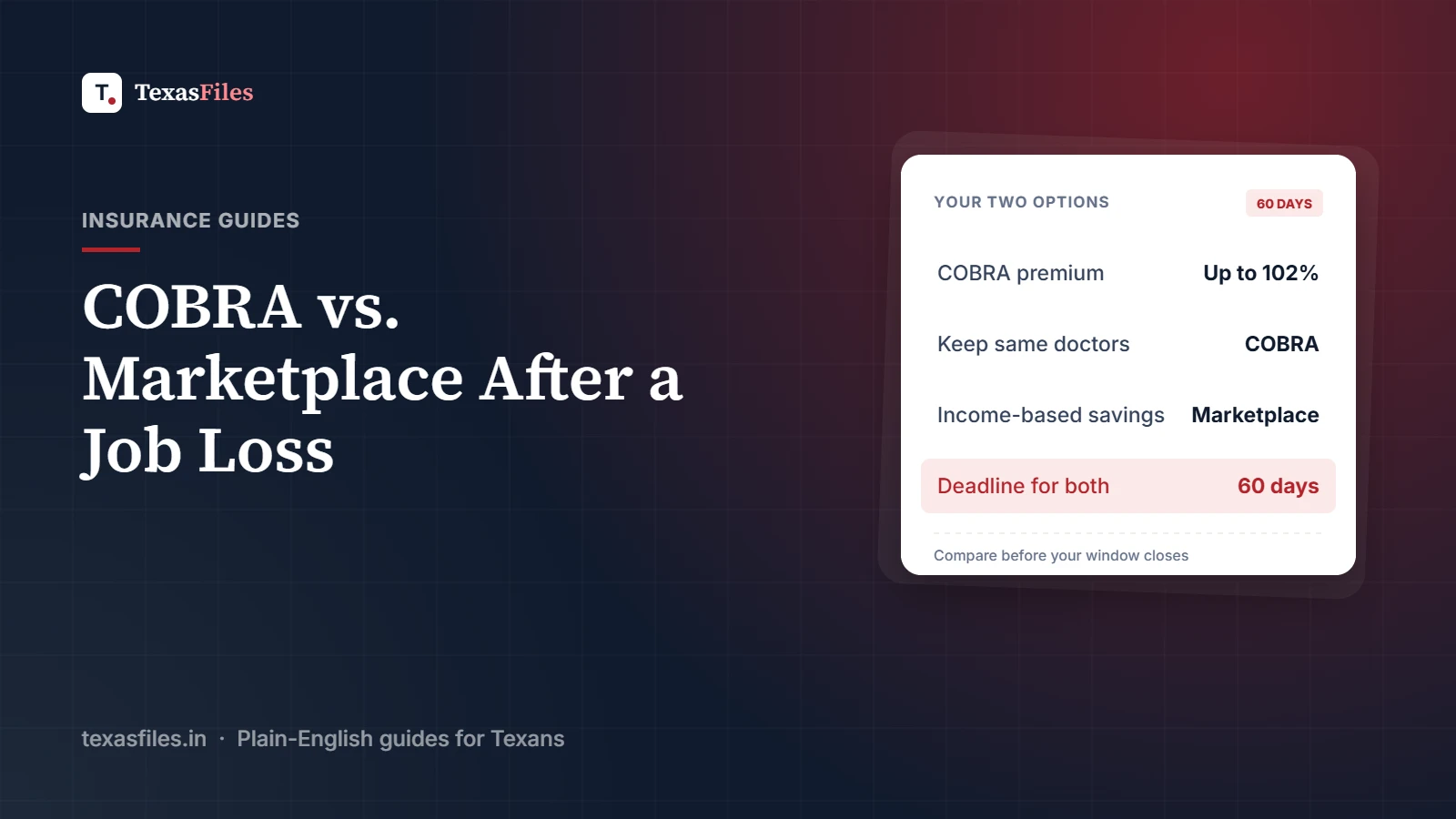
COBRA vs. Marketplace Insurance After a Job Loss in Texas
Lost your job? Compare COBRA and a HealthCare.gov Marketplace plan: costs, deadlines, networks and when each option makes sense for Texans.
·4 min read